













Playfame Sign In Canada: Quick Entry

A 2026 walkthrough for Canada: sign in smoothly, claim offers wisely, and set limits so your sessions stay calm.

Fortune Gems 2 Slot

Table of Contents

  • The Dog House Megaways Slot
  • Lucky Joker 10 Extra Gifts Slot
  • Sword of Ares Slot
  • Floating Dragon Hold & Spin Slot
  • Leprechaun Riches Slot
  • Fruit Cocktail Slot
  • The Dog House Megaways Slot
  • Sword of Ares Slot
  • Fruit Million Slot
  • The Dog House Megaways Slot
  • Fruit Box Slot
  • Big Fisherman Slot
  • Seven Books Unlimited Slot
  • PlayFame Casino Fortune Slot
  • Sword of Ares Slot
  • Floating Dragon Hold & Spin Slot
  • 9 Mad Hats Slot
  • Floating Dragon Hold & Spin Slot
  • Big Bass Splash Slot

Getting Started On PlayFame Casino In Canada

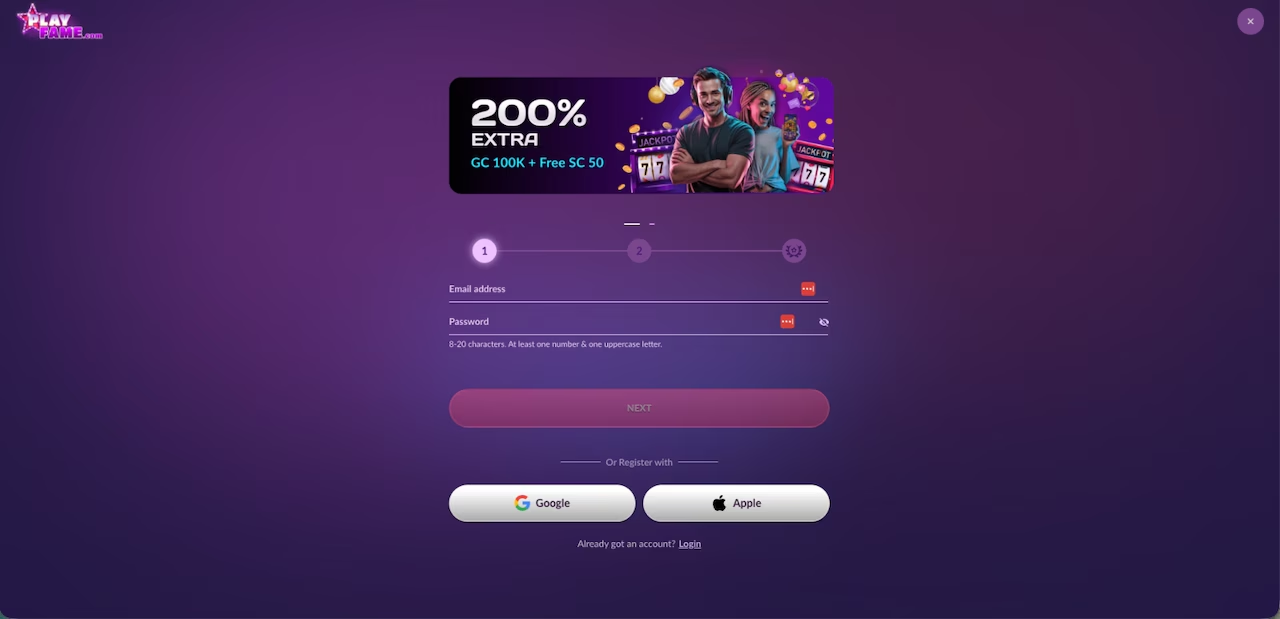
The first visit sets the tone. Imagine you’ve got a quiet evening, you finally sit down, and you just want everything to work without surprises. That’s the best moment to do the “boring” parts first: create a clean account, find your settings, and learn where the history lives.
Login 1

PlayFame Casino is available in Canada for adult players, so expect normal safeguards in 2026: prompts, confirmations, and occasional checks around sensitive actions like withdrawals or new-device access. None of this has to feel heavy if you keep your details consistent and do one step at a time.

A simple rule helps: separate setup from play. Setup is where you explore menus, adjust limits, and make sure you can always find the help button. Play is where you start a session with a timer and a budget. When you mix them, you end up changing settings mid-session and wondering what you did five minutes ago.

The Two-Minute Setup That Saves An Hour Later

Picture this: you register quickly, skip everything, start playing, and then you realize you don’t know where to check a transaction status. Now you’re clicking around while already a bit tense. Instead, do a two-minute setup while you’re calm: open the account area, locate limits, locate history, and locate support.

Once you know those three places, the platform feels more predictable. And predictable is underrated in 2026, especially on mobile, where it’s easy to tap fast and think later.

Choosing Your First Session On Purpose

Imagine you only have fifteen minutes and you want a clean test run. Pick a short time cap, pick a comfortable session budget, then play and stop on schedule. Don’t make your first session about “finding the best game” or “getting lucky”. Make it about comfort: can you navigate, can you stop, can you see what happened afterward?

If you can end a session easily, you’ve already passed a big test. If you can’t, it doesn’t mean the casino is “bad”. It usually means you need stronger guardrails before you play again.
Login 2

Playfame Sign Up Bonus: What To Check First

A sign-up offer can be helpful, but only if you treat it as a set of steps, not as a mood booster. Imagine you see an offer banner and you feel that little rush of “nice, extra value”. If you click through too fast, you’ll miss the one line that explains how it activates, and then you’ll spend your session trying to figure out what’s going on.

The clean way is simple: read the activation instruction once, decide if it fits your session plan, and only then opt in. If an offer pushes you toward longer play or bigger spending than you wanted, it’s okay to skip it. Skipping is a valid strategy when your goal is a calm session.

Also, don’t let an offer decide your budget. Set your budget first. Imagine you planned a small, relaxed session, then you see conditions and you start thinking, “Maybe I should extend it to make it worth it.” That’s the moment the offer stops serving you and starts steering you.

In Canada, adult-only access and standard account controls are part of the experience. That means you’ll get the best results when your account details are consistent and your actions are deliberate. One clean opt-in beats five rushed retries.

Opt-In Timing: When People Miss The Step

Picture someone who deposits first, then tries to activate the offer second. They assume the system will “catch up”. Often it won’t, because the offer needed to be linked before the triggering action. The solution is not to spam buttons. The solution is to follow the order: opt in first, then do the required action, then verify status.

If you’re unsure where to opt in, don’t guess across multiple screens. Look for the offer details and the activation instruction. In most cases, the platform tells you what it needs, but only if you slow down long enough to read it.

Budget First: Keeping Offers In Their Place

Imagine you had a stressful day and you want a short escape. If you let an offer tempt you into a longer session, you might end the night annoyed at yourself. A budget-first approach prevents that: decide what you’re willing to spend for entertainment, then choose whether the offer fits inside that boundary.

A helpful micro-rule is: no changes to your session budget once play starts. If you want a different budget, you start a new session another day. That separation keeps your decisions cleaner.

When Skipping Is The Smart Play

Sometimes the best move is to ignore the offer entirely. Imagine you’re tired, your attention is low, and you know you’re prone to tapping “one more”. An offer with conditions can quietly turn that into a long loop. In that situation, playing without any promo pressure can be the calmer option.

If you’re testing PlayFame Casino for the first time, you can treat offers like optional extras. Learn the platform first. Then decide whether promotions add value for your style.

Playfame Casino Sign In: Secure Access Habits

Account access is where small habits make a big difference. Imagine you’re trying to sign in while walking, your connection drops, and you keep re-trying quickly. Now you’re not sure what you submitted, and your stress climbs for no good reason. A calmer approach is to treat sign-in as a single clean action: enter, confirm, wait.

Login 3

In 2026, access also ties into account safety. A secure password, a locked device, and stable account details reduce friction later, especially around payments. The goal isn’t to make the process complicated. The goal is to make it predictable.

If you use multiple devices, choose one as your “control center” for settings and payments, and use the other mainly for play. Imagine you changed a limit on your phone and later forgot where you did it. A simple device routine removes that confusion.

Here’s a practical table you can use when access feels off. It’s about what you check first, so you don’t spiral into random clicking.

Situation

What You Check First

Calm Next Move

What To Avoid

Page loads forever

Connection stability

Close and reopen once

Rapid re-clicking

Wrong password message

Keyboard layout, caps

One reset attempt if needed

Guessing repeatedly

Code not arriving

Notification settings

Wait, then request again once

Spamming requests

New device prompt

Account alerts

Confirm on one device first

Switching devices mid-step

Confusing screen flow

Account menu map

Return to last clear page

Changing multiple settings

Password Resets Without The Panic Loop

Imagine you’re annoyed and you start a reset, then you stop halfway, then you try again on another device. That’s how people end up unsure which password is current. The cleaner method is to pick one device, complete the reset in one go, then update any saved credentials immediately.

One tiny mistake causes a lot of repeated frustration: your phone or browser keeps auto-filling the old password. After you reset, replace the saved version right away, then test one careful sign-in.

Staying Safe On Mobile Without Overthinking

Mobile is convenient, but it’s also where autopilot lives. Imagine notifications popping up while you’re signing in, and you keep switching apps. You’ll miss prompts and feel like the platform is “buggy”. The fix is simple: sign in when you can focus for thirty seconds, and keep your phone locked when you’re done.

If you’re playing in public spaces, hide preview notifications and avoid leaving the app open on a table. These aren’t dramatic security moves, they’re basic hygiene.

Deposits And Withdrawals: Keep It Calm And Traceable

Money screens are where people turn a small delay into a big stress. Picture this: the cashier loads slowly, you tap twice, and now you’re unsure what happened. The calmer approach is mechanical: one action, then check the transaction history for proof before you do anything else.

Consistency matters more than “the best method”. Pick a primary payment approach you understand and stick with it, especially during your first week. Switching methods frequently makes your history harder to read, and when you can’t read your own history, you start guessing.

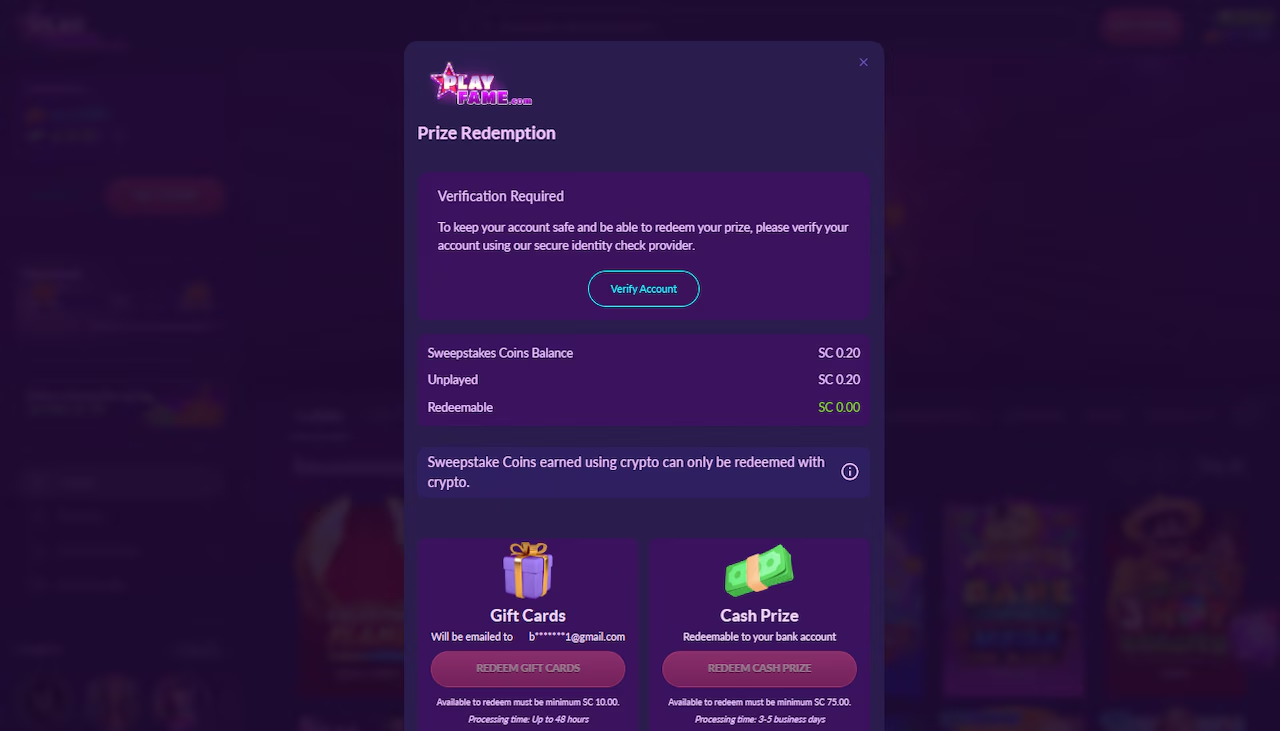
For withdrawals, treat the request as a single step followed by a status update. Repeating the same action doesn’t speed it up, it just creates doubt. If you want to stay calm, set yourself a rule: check status at reasonable intervals, not every minute.

PlayFame Casino is available in Canada and is designed for adult users operating within applicable rules. That means you may see standard checks around withdrawals and account consistency. The best experience comes from stable details, one clean request at a time, and patience with status messages.

Depositing With A Session Budget

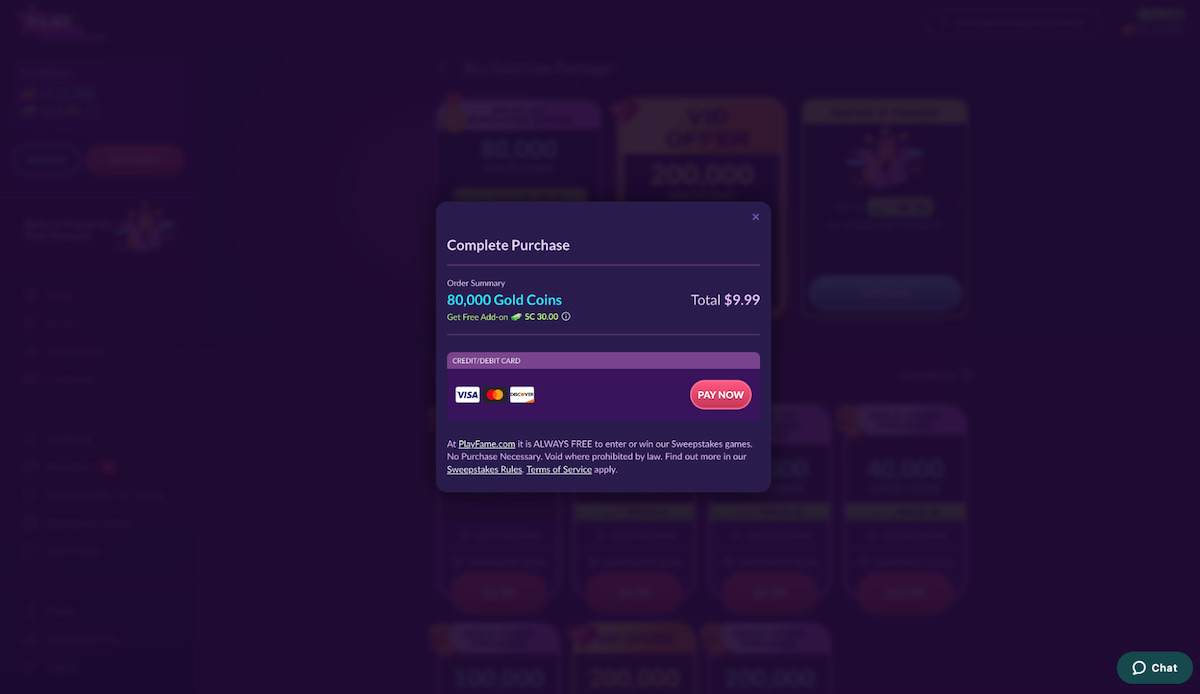
Imagine you had a rough streak and you think, “I’ll add a little more to turn it around.” That’s how budgets become moving targets. A cleaner habit is to decide your session budget before opening the cashier, deposit once, confirm it in history, then leave the cashier screen.

If you’re testing the platform, keep the first deposit small and purposeful. You’re verifying the flow: deposit, play, stop, track. You’re not trying to “win back” anything.

Withdrawal Requests And Status Updates

Picture a slow-loading page and the temptation to click again “just in case.” One request is enough. Submit it once, confirm it appears in your transaction history, then wait for the status to change.

If a message asks for a specific step, complete that one step and stop. Changing payment methods, editing profile details, and re-submitting in the same minute is the fastest way to confuse yourself.

Mobile Sessions: Limits, Timeouts, And Real-Life Control

Fast sessions are fun until they start running your evening. Imagine you planned to play for ten minutes, but the rounds are quick and you keep thinking, “One more.” That’s not weakness, it’s momentum. The solution is to build in brakes before you start.

The simplest brake is a timer. Set it, then stop when it rings. Time-based rules are powerful because they don’t depend on your mood. A second brake is a spending cap. When the cap is reached, you stop. No negotiations mid-session.

If you notice you’re playing to change your mood rather than to enjoy the game, that’s the moment to use a timeout. A timeout isn’t a punishment. It’s a reset button that protects your time and budget when your attention is low.

Using A Session Reminder Like A Seatbelt

Imagine you’re on the couch, half-watching a show, and you don’t feel time passing. A reminder brings you back to the present. When it pops up, you check in: am I still enjoying this, or am I chasing?

If you’re still having fun, you can continue within your plan. If not, you stop. The reminder turns a blurry session into a deliberate choice.

When Self-Exclusion Makes Sense

Some patterns repeat. Imagine you keep breaking your own limits, even after you promised yourself you wouldn’t. That’s when a stronger tool can help. Self-exclusion exists to remove immediate access when you want a firmer boundary than willpower.

Using that tool is a normal adult decision. It’s the same logic as setting screen-time limits on your phone: you’re designing your environment so you don’t have to fight yourself every day.

Support And Player Feedback: Decide With Facts

Support works best when you bring specifics. Imagine you write, “My account doesn’t work.” You’ll get a generic checklist. If you write, “After I sign in, the cashier screen stays loading and shows this exact message,” you’ll get a more targeted reply.

Before contacting support, do three quick checks: connection, restart the app or browser, then check history or the relevant status page. Often the action is already recorded and you’re just seeing delayed updates.

For reading player feedback in 2026, use one simple filter: does the person describe a real sequence? “I set limits, found history, requested help, got a response” is useful. “Best ever” or “worst ever” without details is noise. If multiple comments mention the same friction point, use that as a checklist item for your own test.

Writing A Support Message That Gets Action

Imagine you’re frustrated and you want to vent. Venting feels good, but it doesn’t fix anything. A short, factual message does: where you were, what you did, what you saw, and roughly when it happened. One issue per message, no extra story.

That format is also calming for you. It stops the spiral and turns the problem into a simple task.

FAQ

Set a timer and a session budget before you play, then stick to them even if you feel “close.” Imagine you planned ten minutes and the rounds are fast - without a timer, ten becomes thirty. A clear stop rule keeps the session intentional and helps you end the night feeling fine instead of drained.

Start with connection stability, then restart the app or browser once, and attempt a single clean sign-in. Imagine you keep tapping while the page loads - you create doubt and stress. One careful attempt, then a check of the message shown, gives you clarity about what to do next.

Decide the session budget before opening the cashier and treat the deposit as a planned action, not a reaction. Imagine you’re annoyed after a rough start and you top up “just a bit” - that can repeat. Deposit once, confirm it in history, then leave the cashier screen and return to play only if you’re calm.

Because it follows a status process and sometimes requires a specific confirmation step. Imagine you click again because the page is slow - now you’re unsure what you submitted. Make one request, confirm it appears in transaction history, then wait for the status to change and complete only the step requested if a message appears.

A time cap, a spending cap, and a session reminder are the core trio. Imagine you’re playing while distracted - reminders bring you back to the present and caps stop drift. These tools don’t reduce enjoyment; they reduce the chance you keep playing when you’re no longer having fun.

Use a timeout when you notice you’re playing to change your mood rather than to enjoy the session. Imagine you keep restarting because you want a quick turnaround - that’s the loop a timeout breaks. A short break protects your budget and usually makes the next session feel lighter.

Describe the exact screen, the action you took, and the message shown, plus the approximate time. Imagine “it doesn’t work” versus “the cashier page stays loading after I confirm.” The second message is actionable and saves back-and-forth.

🇬🇧 English