













PlayFame Coupon Deals For Canada

Use PlayFame in Canada with a clear promo routine: check terms, set limits, and redeem offers without rushing in 2026.

Fortune Gems 2 Slot

Table of Contents

  • The Dog House Megaways Slot
  • Lucky Joker 10 Extra Gifts Slot
  • Sword of Ares Slot
  • Floating Dragon Hold & Spin Slot
  • Leprechaun Riches Slot
  • Fruit Cocktail Slot
  • The Dog House Megaways Slot
  • Sword of Ares Slot
  • Fruit Million Slot
  • The Dog House Megaways Slot
  • Fruit Box Slot
  • Big Fisherman Slot
  • Seven Books Unlimited Slot
  • PlayFame Casino Fortune Slot
  • Sword of Ares Slot
  • Floating Dragon Hold & Spin Slot
  • 9 Mad Hats Slot
  • Floating Dragon Hold & Spin Slot
  • Big Bass Splash Slot

Understanding PlayFame Promo Code In Canada

A promotion code looks like a tiny box in the cashier, but it can change the whole feel of your session. Picture this: you sit down after work, you plan a short play window, and you see a field that asks for a code. Most players either type something random or skip it entirely, then spend the next hour guessing why their balance behaves differently. The calm move is to treat the code as a decision, not a reflex.

Promo 1

The first thing to understand is timing. Codes usually belong to a specific step - registration, first deposit, reload deposit, or a limited campaign. If you apply it after the wrong action, you may see no effect, and you might assume the platform is “buggy.” In reality, it’s often just an order-of-steps issue. Think of it like boarding a plane: you can’t show the pass after you’ve already walked away from the gate.

Now bring Canada into the picture. Availability and eligibility can vary by location and operator rules, and real-money play is for adults only. If you are not sure you are eligible where you are, the most responsible choice is to confirm access before activating any offer linked to deposits. That one check prevents the worst kind of frustration - discovering a restriction after you already tried to claim something.

A good habit is to decide your session plan first, then decide whether a code fits it. Ask yourself: will this offer push me to play longer? Will it make me chase requirements? If the answer is yes, it might be better to skip it today. Skipping an offer is not “missing out,” it’s choosing clarity.

Another simple rule: activate one offer at a time. Imagine you stack multiple promotions because you want maximum value. Later you don’t know which rules apply, what funds are conditional, or why a withdrawal step asks for extra confirmation. One offer per session keeps the experience clear.

Finally, don’t treat a code like money. Treat it like conditional credit or conditional benefits that come with rules. When you frame it that way, you stop expecting instant “free cash” and you start making better decisions.

How Codes Attach To Deposits

Imagine you are on mobile, your bank app is open in the background, and you are rushing to confirm a deposit. This is the moment where people forget the code field or apply it at the wrong stage. A cleaner approach is to slow down on purpose: open the cashier, select your method, locate the code field, then pause and read the offer summary before you confirm anything.

If you plan to use a code, do it on a calm session with stable internet. This is not about being cautious for the sake of it; it’s about avoiding double taps, failed confirmations, and the classic “did it go through?” anxiety. You’ll enjoy the session more when you know exactly what you activated.

Also, keep your payment method consistent. Switching methods often triggers extra checks on many platforms, and it can complicate promo tracking. If you want fewer steps later, choose one route you can stick with for a while and keep the deposit workflow simple.

Common Code Mistakes On Mobile

Picture a player typing quickly on a phone keyboard while autocorrect quietly changes a character. The code fails, and the player tries again and again, getting more frustrated each time. The fix is boring but effective: type slowly, confirm the spelling, and make one clean attempt. If it doesn’t apply, stop and review the offer rules instead of guessing.

Another mobile mistake is trying to fix confusion by playing more. If you’re not sure whether an offer is active, spinning more rarely helps. Check your promo section and cashier summary first, then decide what to do next. A two-minute verification beats a thirty-minute session built on uncertainty.
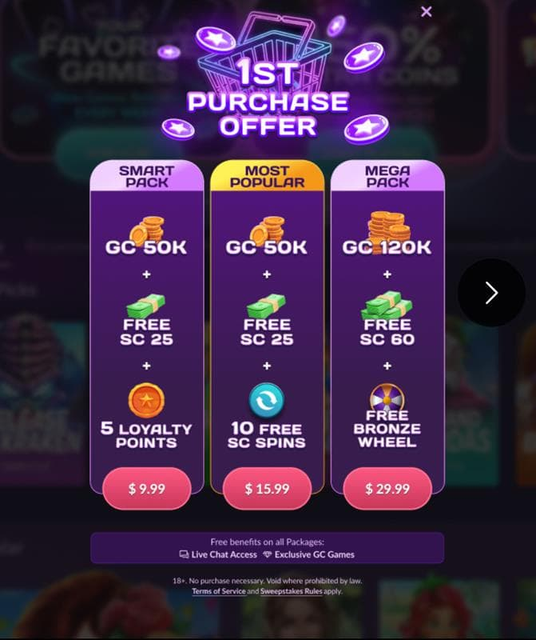
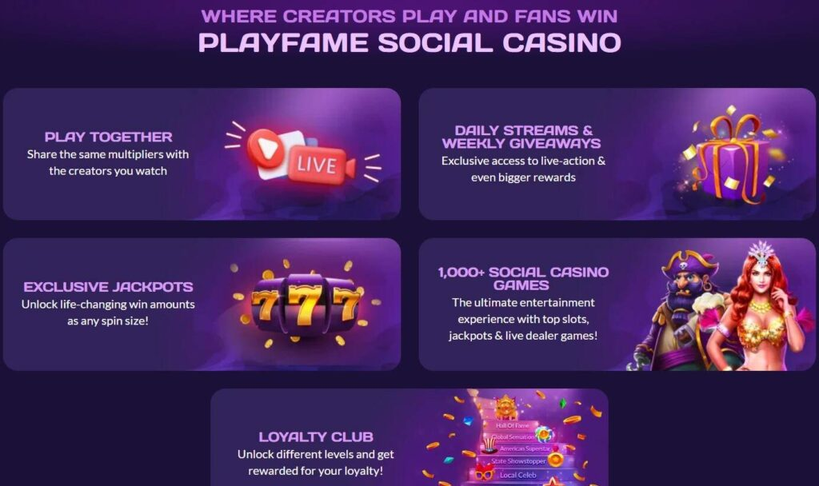
promo 2

Using A Coupon Mindset Without Overcomplicating It

A coupon mindset is not about hunting every possible deal. It’s about using offers only when they fit your day. Imagine you have twenty minutes before you leave the house: you want a short, clean session, not a complicated checklist. In that situation, the best “coupon” is often the one you understand instantly.

The practical approach is to treat offers like grocery discounts. If the discount requires you to buy a dozen things you didn’t want, it’s not a discount, it’s a nudge. Same here: if an offer requires more time, higher stakes, or more sessions than you planned, it may be better to skip.

A simple filter helps: if you cannot summarize the offer in one sentence, you do not activate it. This is not about intelligence, it’s about timing. You don’t want to read fine print while your emotions are already engaged.

When A Voucher-Style Offer Actually Helps

Imagine you’re new to the platform and you want to explore without feeling pressured to deposit a lot. A small, clear offer can reduce the barrier to entry - but only if it doesn’t change your behavior. The moment you feel “I need to use this before it expires,” you’ve moved from entertainment into obligation.

The cleanest use case is a planned session: you pick a time limit, pick a budget, apply one offer, and stop on schedule. If you can’t stop on schedule, the offer is not the problem - the routine is.

Registration Flow For Adults In Canada

Most promotional issues begin before the first deposit, during setup. Picture this: you sign up quickly with an email you rarely open, skip confirmations, then later wonder why you can’t complete a sensitive action without extra steps. A clean registration prevents that.

promo 3

Use contact details you control, complete the profile calmly, and keep your information consistent. Real-money platforms often apply standard checks for adult users, especially around cashier activity. If you finish setup early, you reduce the chance of being asked for the same confirmation later when you’re trying to relax.

One more practical tip: separate setup from play. Do registration and profile tasks when you have five quiet minutes. Then come back later to browse games. This separation lowers the odds of mistakes and helps you keep your play sessions emotionally lighter.

Finding PlayFame Casino Promo Code Opportunities

Offers come and go, but your decision process should stay stable. Imagine you log in, see a new promo banner, and feel a quick rush: “I should use this.” That rush is the same feeling that makes people extend sessions and increase stakes. Instead of following the rush, follow a routine: check terms, decide if it fits your plan, then activate or ignore.

One way to stay grounded is to track offers like a calendar, not like a treasure hunt. If you play once a week, you only need offers that fit that cadence. If you play short sessions, you need offers that don’t force volume. This sounds obvious, yet many players do the opposite - they let the offer dictate the schedule.

You also want to keep the platform readable. One offer at a time, one session at a time, and a clean cashier routine. When you follow this pattern, you spend less time troubleshooting and more time actually enjoying the games.

Below is a practical table that helps readers compare how offers behave without relying on fixed numbers or promises.

Offer Pattern

What The Player Does

Best For

What Often Creates Confusion

Cleaner Habit

Sign-up reward

Activates during first setup

First exploration session

Skipping the summary screen

Confirm selection before deposit

Deposit match

Deposits once, then plays

Planned sessions with a budget

Raising stakes mid-session

Keep stake steady for the session

Code entry offer

Types a code in the cashier

Targeted campaigns

Wrong step or typos

One careful attempt, then verify

Free spins style

Plays a limited set of rounds

Short mobile sessions

Jumping between games

Pick one title and finish calmly

Reload deal

Uses on later deposits

Routine players

Chasing “maximum value”

Use only if it fits your schedule

Making A Shortlist Of Offers You Actually Use

Imagine you have three promos available and you feel you should choose the “best.” The best is the one you can follow. Create a shortlist based on your habits: short sessions, predictable budget, and a preference for simple conditions.

If an offer changes how you play, it’s probably not for you today. You can always wait for a day when you have more time and attention. Adults don’t force complicated promos into a tired evening.

A helpful habit is to review offers before you start playing, not during. If you’re already spinning, your brain is less patient and more impulsive. Decide first, then play.

Keeping Terms Readable Without Becoming A Lawyer

You don’t need to memorize pages of rules. You need to spot the few lines that change your behavior: time window, wagering requirement, game restrictions, and any limits during promo play (like stake caps). If you can find those lines quickly, you can decide quickly.

Imagine you can’t find the key details in under a minute. That’s a sign to skip the offer for now. Your session should not feel like paperwork.

And if you’re ever unsure, don’t solve uncertainty by depositing more. Solve it by reading once or contacting support with a clear question.

The “One Offer Per Session” Rule

This rule seems strict until you try it. Imagine you activate two offers and then you don’t know which funds are tied to which conditions. Now your session is about tracking rules, not about entertainment. One offer per session keeps your balance and expectations clearer.

If you want another offer later, end the session, take a break, and start a new session with a new plan. This separation protects your budget and your mood.

Payments, Withdrawals, And Bonus Boundaries

Cashier actions should happen when you are calm. Picture a player who’s frustrated after a bad run and decides to change payment methods or request a withdrawal immediately to “feel better.” That is when mistakes happen. The adult approach is to separate emotions from cashier steps.

Keep your payment method consistent when possible. Frequent switching can trigger extra confirmations and slow down processes. That doesn’t mean switching is wrong; it means switching requires planning. Do it when you have time, not mid-session.

Withdrawals also go smoother when your profile is complete and stable. If you recently changed contact details, address fields, or device access patterns, you might see additional checks. That’s not a punishment; it’s a protective routine many platforms use. Your best move is to keep changes minimal around the time you request a payout.

If an offer has conditions that affect when funds can be withdrawn, keep your expectations realistic. Treat promo-related value as conditional until the platform indicates otherwise. This mindset prevents panic.

Depositing Without Turning It Into A Reflex

Imagine you finish a session budget and your first thought is “I’ll add a little more.” That’s a reflex. A simple boundary prevents it: one deposit per planned session. If you want to play later, start a new session with a new timer and a new budget decision.

This rule is especially useful when offers are active because offers create a sense of momentum. Momentum is not a plan. Your plan is your budget and time cap.

If you ever feel you’re depositing because you’re chasing requirements, stop. Requirements are not worth an impulse deposit.

Checking Withdrawal Status Without Anxiety

Refreshing the screen every minute doesn’t speed anything up. Imagine you submit a request, then you keep checking and you start imagining problems. A calmer approach is to check the transaction history, note the status and time, then step away.

If something looks stuck, don’t resubmit repeatedly. Verify what already exists first. Repeating actions creates confusion and can make support conversations longer.

When you need help, describe what you did in order. “I deposited, applied an offer, played, then requested a withdrawal, then saw this status.” Sequence is the fastest language for support.

Support, Self-Control Tools, And A Clean Exit

Support matters most when you’re not in the mood to troubleshoot. Imagine your code didn’t apply, your offer selection isn’t visible, or a confirmation message didn’t arrive. If you panic and start clicking everywhere, you’ll lose track of what you changed. If you slow down, you’ll solve it faster.

A practical support message is short and structured. Write what you did in order, note the device type, and include the approximate time. This reduces back-and-forth. While support is helping, keep your account stable - don’t change payment methods, don’t edit profile fields, and don’t activate new offers in the meantime.

Now, the bigger topic: control tools. Adults don’t rely on willpower in the middle of a session. They rely on boundaries set earlier. A time limit ends the “one more spin” loop. A deposit limit stops drift when you’re excited. A timeout helps when you notice you’re playing out of habit, not desire.

Imagine you open the platform late at night and you don’t feel joy, just restlessness. That’s a signal to use a pause tool and come back later. It’s not dramatic. It’s a smart reset.

And don’t underestimate the power of a clean exit. Ending a session on schedule builds confidence. It teaches your brain that you are in charge, not the promo banner.

FAQ

Start by setting a session plan: a time limit and a spending cap, then read the offer summary and confirm it fits your plan. Imagine you enter a code while distracted and then play without understanding conditions - confusion is almost guaranteed. A calm routine is to apply the code at the correct cashier step, verify it is selected, and only then begin playing.

Slow down and make one clean attempt. Imagine your keyboard changes a character or you hit an extra space and the code fails, then you try again repeatedly and get frustrated. The better move is to type carefully, double-check, and if it still fails, review whether the offer requires a specific deposit step or eligibility condition before trying again.

Because promotions can add conditional funds or separate categories that behave differently until conditions are met. Imagine you expected one simple number, but you now see parts that seem restricted - that usually means rules are attached. The clean approach is to activate only one offer at a time and read the key lines that affect behavior, like time windows and restrictions.

Use one deposit per planned session and a hard timer. Imagine you top up again mid-session because you want to “maximize” the offer - that is where budgets drift. End the session when your planned budget or time ends, take a break, and only start a new session later with a fresh decision.

Skip them when you are tired, stressed, or already chasing. Imagine you activate an offer hoping it will fix a bad mood or recover losses - it usually adds pressure and complexity. In those moments, the adult decision is to pause, use a timeout tool, or end the session and return later with a calmer plan.

Check your profile completeness, your payment method stability, and your transaction history status. Imagine you changed account details recently and then request a payout - extra confirmations can appear. Keeping details stable, avoiding last-minute edits, and monitoring status through history helps you stay calm and reduces avoidable steps.

Send one structured message that explains the sequence: what you did, in what order, on what device, and what you see now. Imagine you write “promo not working” with no details - support has to ask follow-ups and you wait longer. A clear A-then-B-then-C description usually leads to a specific fix faster.

🇬🇧 English